
Program / Tickets
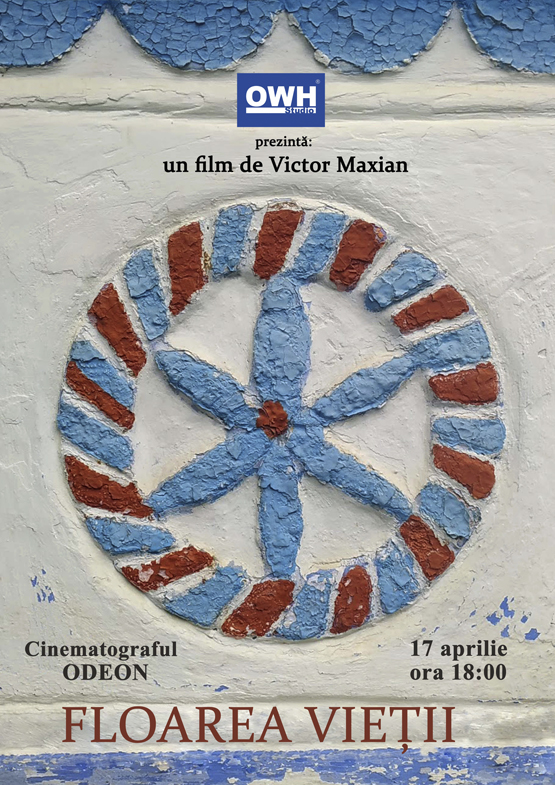
Flower of Life
Synopsis:
The film represents a valuable visual research project carried out in approximately one hundred localities across the Republic of Moldova. The filmmaker succeeds in capturing and preserving the authentic spirit of the people through sequences filmed in some of the most beautiful traditional households, where lăicere, wall hangings, carpets, unique woven textiles, embroidery, and traditional decorative elements are still carefully preserved, adorning the homes of Moldovan peasants.
Throughout the research journey, the film crew is accompanied by a guide and key figure of the project — researcher and ethnographer Varvara Buzilă, recipient of the Europa Nostra Award 2025 in the Heritage Champions category — the only laureate from the Republic of Moldova in this year’s edition.
Mrs. Buzilă engages with villagers, invites them into dialogue, and describes with admiration the value of the objects and elements discovered in the households of ordinary people. During filming, she also identifies a series of unique works which, through the goodwill of their owners, are donated to the National Museum of Ethnography and Natural History.
The film’s music is composed by Anatol Ștefăneț, leader of the band “Trigon”. This collaboration both delights and honors us.
The title of the documentary is inspired by one of the oldest and most widespread graphic symbols in the world, found in the cultures of Ancient Egypt, Mesopotamia, the Golden Temple of India, China and Japan, across medieval Europe, as well as in the Carpathian–Danubian–Pontic area.
About director:
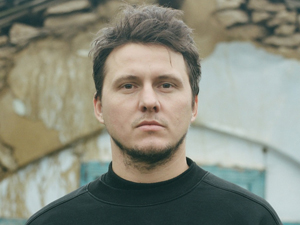
Victor Maxian is a journalist and filmmaker from the Republic of Moldova. He graduated from the Academy of Arts in 2016 and has since dedicated his work to the production of films and documentary reports. He became widely known after discovering the photographic collection of Zaharia Cușnir.